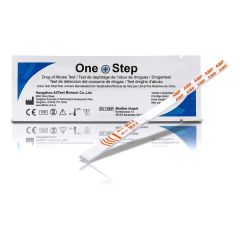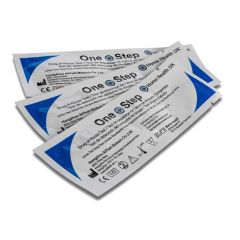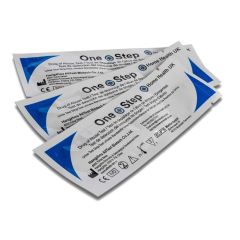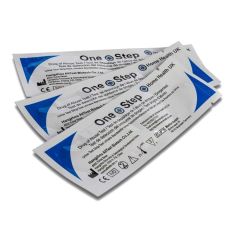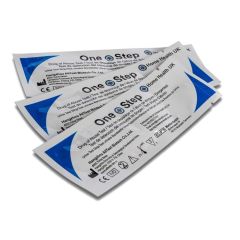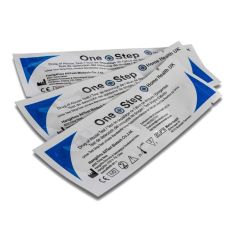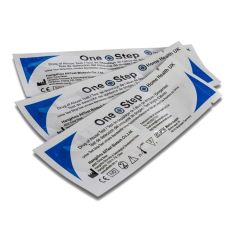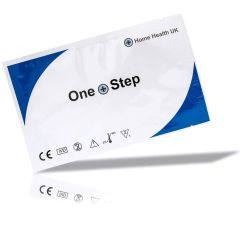

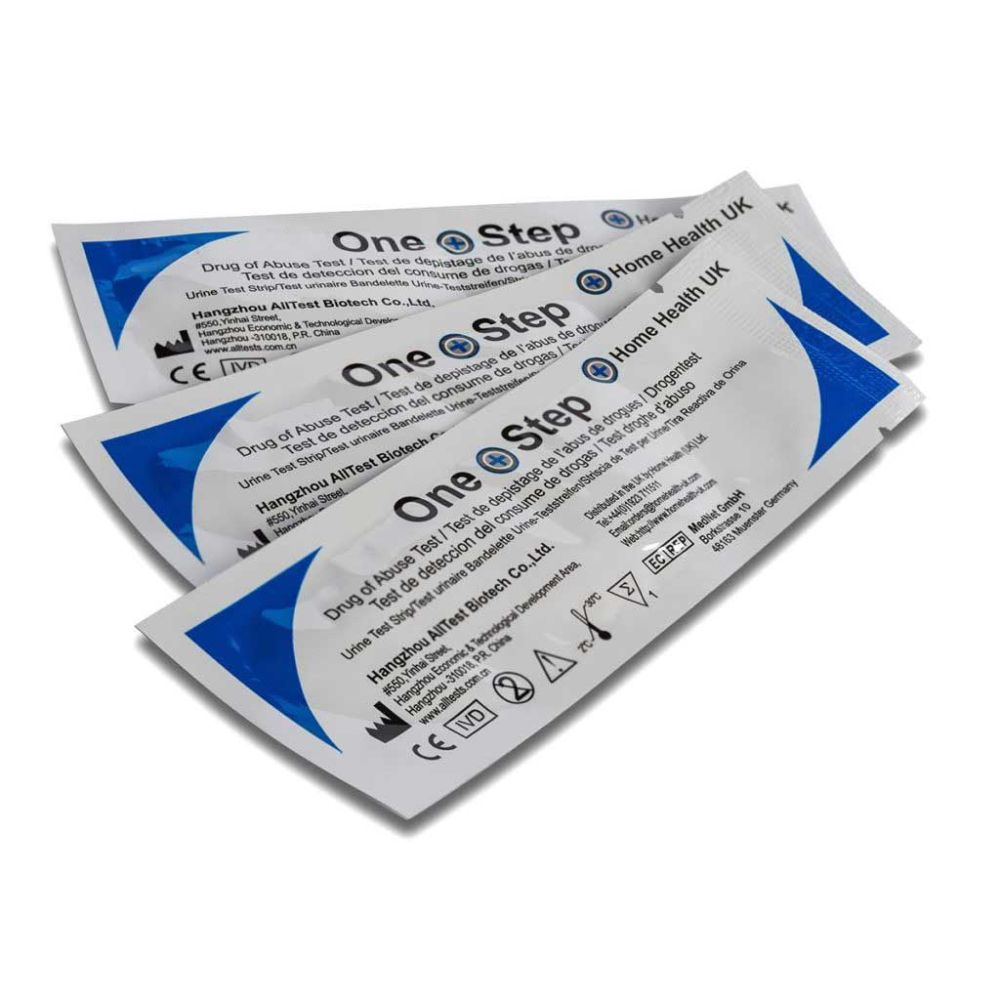
MDMA URINE DRUG TEST STRIPS X 10
This simple, fast, and reliable test detects the presence of Ecstasy (MDMA) in urine with high accuracy. Each test is CE Marked and FDA Approved, ensuring compliance with stringent quality standards. With a test sensitivity of 500 ng/mL, this product adheres to the guidelines set by the European Workplace Drug Testing Society (EWDTS). Each 10-test pack allows for multiple screenings, with MDMA typically detectable in the body for 2 to 6 days after use.
Unique Selling Proposition:
- Fast and Accurate Results: Delivers quick and precise detection of MDMA in urine, minimizing wait times.
- High Sensitivity: Test sensitivity of 500 ng/mL ensures reliable detection in various scenarios.
- Regulatory Compliance: CE Marked and FDA Approved, meeting rigorous safety and quality standards.
- Multiple Tests in One Pack: Includes 10 tests, providing value and convenience for regular screenings.
- Extended Detectable Window: Capable of identifying MDMA use for 2 to 6 days post-consumption, aiding in effective monitoring.
Home Drug Tests: Understanding and Managing Risks
With drugs being pervasive in today's society, many parents are understandably concerned about their children’s potential involvement with substances. A lack of knowledge about drugs can hinder effective prevention efforts. This section provides essential information about commonly used drugs to help parents stay informed and proactive.
A diverse range of drug tests is available, tailored to detect the most prevalent substances. Various testing strips can be selected based on specific drugs to monitor effectively.
Why Do Young People Use Drugs?
Understanding why children may experiment with drugs is crucial. Many parents often assume that drug use is a sign of problems at school or home. However, children may use drugs for various reasons, including:
- Enjoyment of short-term effects
- Peer influence and social acceptance
- Curiosity and the desire to rebel
- Exploration during adolescence without fully grasping the consequences
Types of Drugs
Drugs alter perception, mood, and behavior. They can be broadly categorized into several groups:
- Analgesics: Pain-relieving substances like heroin.
- Depressants: Drugs that slow down bodily functions, such as alcohol, gases, glues, and aerosols.
- Hallucinogens: Substances affecting perception, including cannabis, LSD, and magic mushrooms.
- Stimulants: Drugs that accelerate bodily functions, such as cocaine, crack, ecstasy, and speed.
Risks Associated with Drug Use
Drug use comes with inherent risks, and their effects can vary significantly from person to person. Key risks of illegal drug use include:
- Purity Uncertainty: Users may not know the actual substance they're consuming, leading to potential contaminants.
- Unpredictable Effects: Previous use does not guarantee consistent experiences, and the impact can change over time.
- Health Risks: Injecting drugs increases the risk of contracting serious infections, including HIV and hepatitis.
- Dangerous Combinations: Mixing different drugs, including alcohol, can have fatal consequences.
- Menstrual Irregularities: Women may experience heavier periods or disruptions in their menstrual cycles.
If a specific drug is not listed among the available tests, inquiries can be made to find out about additional testing options.
Detectability and Testing
The duration drugs remain detectable in the body varies based on multiple factors, including dosage, strength, purity, body weight, metabolism, and usage frequency. Testing can be conducted at any time for convenience.
Test Procedure:
- Remove the test strip from the sealed pouch when ready to begin.
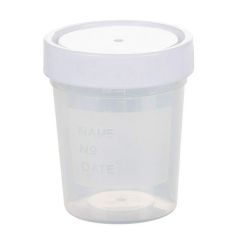
- Collect a urine sample using a clean plastic cup.
- Dip the test strip into the urine without exceeding the MAX LINE, allowing it to absorb for 10-15 seconds.
- Lay the test strip on a flat surface while the results develop.
- Negative results appear immediately, while positive results should be read after at least 5 minutes. All results should be interpreted within 10 minutes to avoid inaccuracies.
Interpreting Test Results
When examining the test strip, the control line (C) should appear to confirm proper functioning.
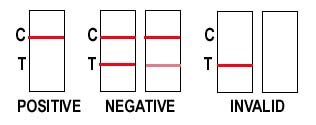
- Control Line (C): Always present for a valid test.
- Test Line (T):
- A second line, regardless of brightness, indicates a negative result.
- The absence of a second line signifies a positive test result for drug use.
Next Steps After Testing
- Negative Result: Indicates no drugs detected at this time. A follow-up test in a month is advisable for ongoing monitoring.
- Positive Result: Confirms the presence of a drug in the urine. Consider retesting at a later date for verification.
Staying informed and prepared is essential in addressing drug-related concerns effectively.
| Price | €6.89 |
|---|