
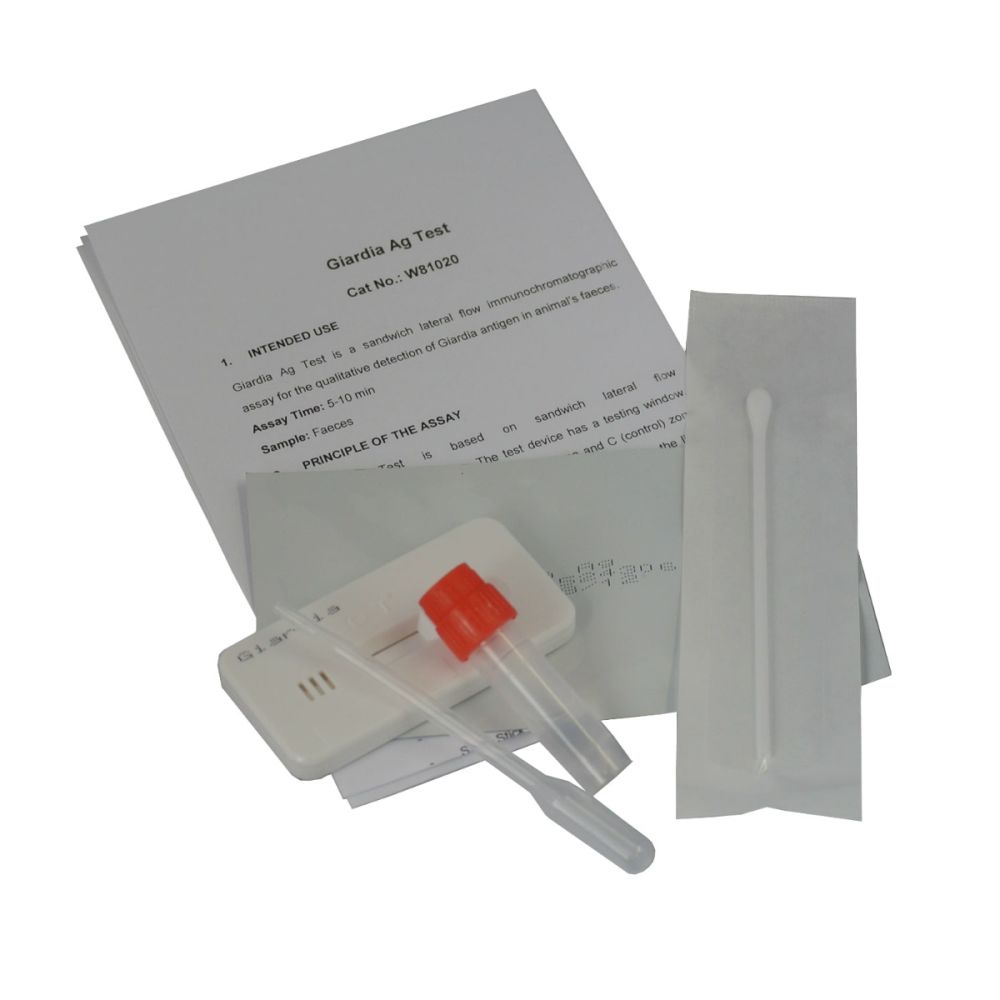
10 x GIARDIA TEST ( VET)
Giardia can be passed in stool intermittently, and an animal may appear healthy or without signs of disease before it stops passing Giardia.
Features and Benefits
- Highly accurate results: Get reliable results within 5 minutes.
- Detects Giardia: Specifically designed to detect Giardia in animal faeces.
- Long shelf life: Expiry time of at least 6 months.
- Versatile use: Ideal for vets but also suitable for home testing. Each pack contains everything you need to carry out a test.
Giardia Test for Dogs
Giardia, a small parasite residing in animal intestines, poses health risks. Symptoms include diarrhoea, vomiting, weight loss, or no visible signs. Infections spread through contact with contaminated faeces, soil, or water, particularly affecting young pets. Early detection is crucial, especially for persistent diarrhoea, to prevent complications.
Swift action with the Giardia Test from Home Health ensures your pet’s well-being. Detect and address infections promptly for a healthy, happy companion.
Symptoms of Giardia
Giardia can cause issues like diarrhoea, vomiting, weight loss, and poor health, even leading to death. It’s important to note that many infected animals may not show any symptoms.
How Infection Occurs
Giardia spreads through animal faeces in the form of a tough cyst. Pets can get infected by:
- Contact with faeces from another animal
- Rolling or playing in dirty soil
- Licking their bodies after touching contaminated surfaces (like dirty litter boxes)
- Drinking water from polluted sources like creeks or ponds
Young pets, such as puppies and kittens, are more at risk than adult dogs and cats.
Positive Result Protocol
If the Giardia test for dogs comes back positive, consult your vet promptly for immediate treatment. Please note that the test detects Giardia at the trophozoite stage during the acute phase and may yield false negatives if performed outside shedding periods.
Giardia Test for Dogs FAQs
How Long Does Giardia Last in Dogs?
The duration of Giardia infection in dogs can vary. Some may clear the infection on their own, while others may require treatment. It’s essential to monitor symptoms and consult your vet for guidance.
Does Giardia Go Away on Its Own?
In some cases, Giardia may resolve on its own, especially in healthy adult dogs. However, prompt veterinary attention is crucial to assess the severity of the infection and determine if treatment is necessary.
Is Giardia Contagious?
Yes, Giardia is contagious. The cysts passed in faeces can infect other animals and humans or contaminate the environment. Practising good hygiene, such as proper handwashing, is essential to prevent the spread of the infection.
What to Feed a Dog with Giardia?
During Giardia treatment, feed your dog a bland diet, such as boiled chicken and rice, to ease digestion. Consult your vet for specific dietary recommendations based on your dog’s condition and treatment plan.
How to Use: Test for Giardiasis Instructions
Allow the test cassette, specimen, buffer, and/or controls to equilibrate to room temperature (15-30 °C) prior to testing.
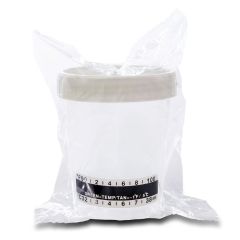
Collect sufficient quantity of feces (1-2mL or 1-2g) in a clean, dry specimen collection container to obtain enough pathogens. Best results will be obtained if the assay is performed within 6 hours after collection. Specimen collected may be stored for 3 days at 2-8°C if not tested within 6 hours. For long-term storage, specimens should be kept below -20°C.
To process fecal specimens:
For Solid Specimens:
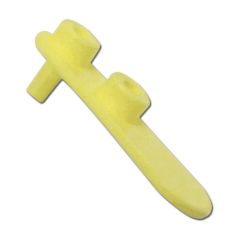
- Unscrew the cap of the specimen collection tube, then randomly stab the specimen collection applicator into the fecal specimen at least 3 different sites to collect approximately 50 mg of feces (equivalent to 1/4 of a pea). Do not scoop the fecal specimen.
For Liquid Specimens:
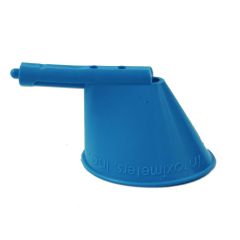
- Hold the dropper vertically, aspirate fecal specimens, and then transfer 2 drops of the liquid specimen (approximately 80 μL) into the specimen collection tube containing the extraction buffer. Tighten the cap onto the specimen collection tube, then shake the specimen collection tube vigorously to mix the specimen and the extraction buffer. Leave the collection tube for reaction for 2 minutes.
Bring the pouch to room temperature before opening it. Remove the test cassette from the foil pouch and use it as soon as possible. Best results will be obtained if the test is performed immediately after opening the foil pouch.
Hold the specimen collection tube upright and unscrew the tip of the specimen collection tube. Invert the specimen collection tube and transfer 2 full drops of the extracted specimen (approximately 80 μL) to the specimen well (S) of the test cassette, then start the timer. Avoid trapping air bubbles in the specimen well (S).
Read the results at 10 minutes after dispensing the specimen. Do not read results after 20 minutes.
Note: If the specimen does not migrate (presence of particles), centrifuge the diluted sample contained in the extraction buffer vial.
- Collect 80 μL of supernatant, dispense into the specimen well (S) of a new test cassette, and start afresh following the instructions mentioned above.
| Price | €135.79 |
|---|