

11 Parameter

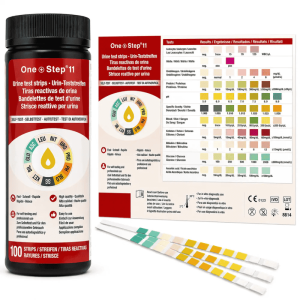
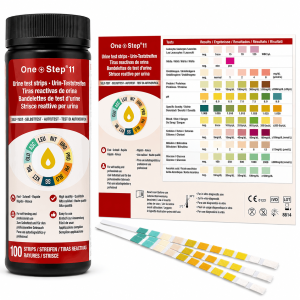
11 Parameter Urine Test Strips
11 parameter urine test strips are broad urinalysis strips used to check a wide selection of urine markers. They are commonly used as a screening aid for urinary health, hydration, glucose and ketone monitoring, liver-related indicators, urinary tract indicators, vitamin C presence and metabolic health markers.
The One Step range is trusted by doctors, hospitals, healthcare professionals and members of the public across Ireland and the UK. These strips are designed to be high quality, simple to use and easy to read with the supplied colour chart.
These 11 parameter urine test strips test for:
- Leukocytes
- Nitrite
- Urobilinogen
- Protein
- pH
- Blood
- Specific Gravity
- Ketone
- Bilirubin
- Glucose
- Ascorbic Acid
What these parameters may indicate:
- Leukocytes: May indicate white blood cells in urine, commonly used as a urinary tract indicator.
- Nitrite: May indicate nitrites produced by certain bacteria in urine.
- Urobilinogen: A by-product of red blood cell breakdown, commonly used as a liver-related indicator.
- Protein: Raised protein in urine may be used as a kidney-related or urinary tract indicator.
- pH: Shows urine acidity or alkalinity. High or low pH can be affected by diet, hydration, medication or health factors.
- Blood: May indicate the presence of blood in urine.
- Specific Gravity: Shows urine concentration. High readings may suggest concentrated urine, while low readings may suggest diluted urine.
- Ketone: Raised ketones may occur when the body uses fat for energy.
- Bilirubin: May be used as a liver-related indicator.
- Glucose: Raised glucose in urine may be associated with glucose metabolism issues.
- Ascorbic Acid: Detects vitamin C in urine. Vitamin C may be useful to note when interpreting certain urine test results.
Our team is here to support all customer queries, including help choosing the right urine strip for home, clinical, care or professional testing. Urine test strips are a screening aid only. Any unusual, unexpected or repeated results should be discussed with a healthcare professional.
